
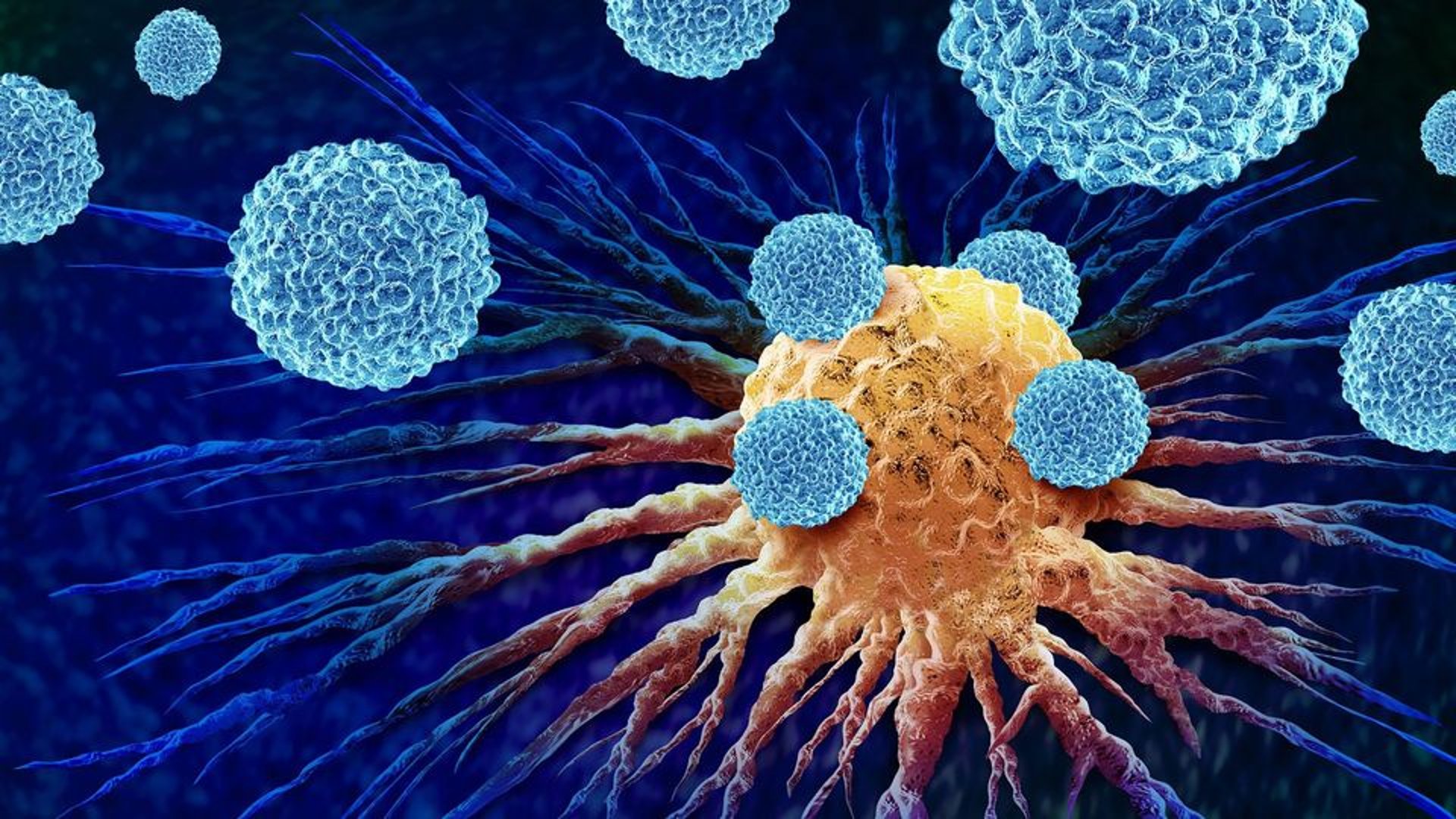
Cancer Treatment (Oncology)
China has become a global leader in oncology, blending advanced Western medicine with Eastern treatments. with exceptional outcomes in liver, lung, gastric, breast, and colorectal cancers. Our partner hospitals provide comprehensive cancer care using the latest international standards, including minimally invasive surgery, precise radiotherapy, chemotherapy, targeted therapy, immunotherapy, interventional therapy, and TCM supportive care.
Famous and widely practiced cancer therapies in China include CAR-T cell therapy, Proton and Heavy Ion therapy, Minimally Invasive Interventional techniques, and Traditional Chinese Medicine (TCM)
Treatments cover:
✅ Lung Cancer
✅ Liver Cancer
✅ Gastric Cancer
✅ Breast Cancer
✅ Esophageal Cancer
✅ Colorectal Cancer
✅ Pancreatic Cancer
✅ Thyroid Cancer
✅ Brain Tumors
✅ Gynecological Cancer
✅ Prostate Cancer
✅ Lymphoma
CAR-T Cell Therapy
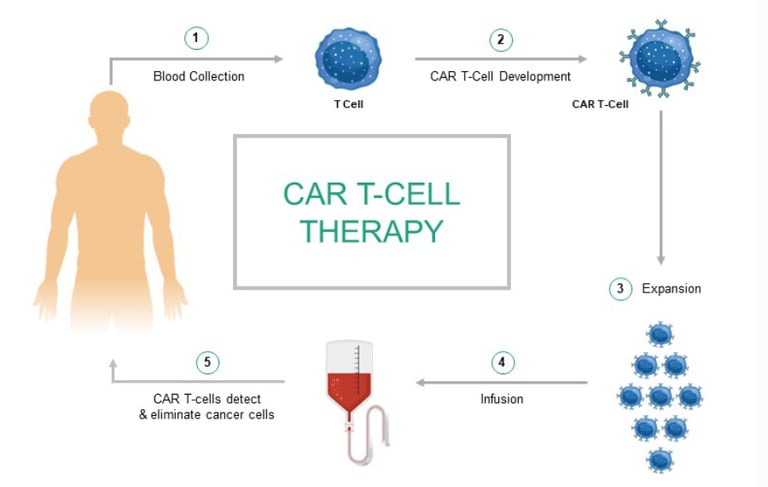
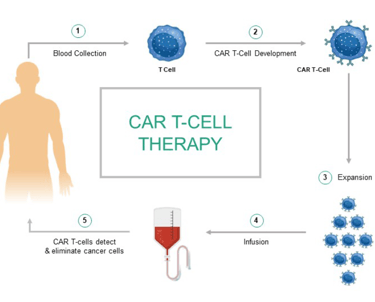
CAR-T Cell therapy, or Chimeric Antigen Receptor T-cell therapy, is an advanced form of immunotherapy used to treat certain types of cancer.
It involves modifying a patient’s own T-cells, a type of white blood cell essential for immune response, to better recognize and attack cancer cells.
This innovative therapy has shown significant success in treating hematologic malignancies, such as certain types of leukemia, lymphoma and multiple myeloma, it represents a groundbreaking approach in personalized cancer treatment, offering new hope for patients with otherwise difficult-to-treat cancers.
Proton and heavy ion therapy are highly advanced forms of particle radiation used to treat complex cancers. By harnessing unique physical properties, these therapies deliver high-dose radiation directly to tumors while meticulously sparing surrounding healthy tissues and critical organs.
Both therapies use the Bragg Peak effect. Unlike traditional X-ray or photon radiation—which passes entirely through the body and damages healthy tissue along its path—particle beams can be calibrated to stop exactly at the tumor site.
The Bragg Peak: The radiation dose builds slowly as the beam enters the body, deposits the bulk of its destructive energy precisely inside the tumor, and then immediately drops to zero.
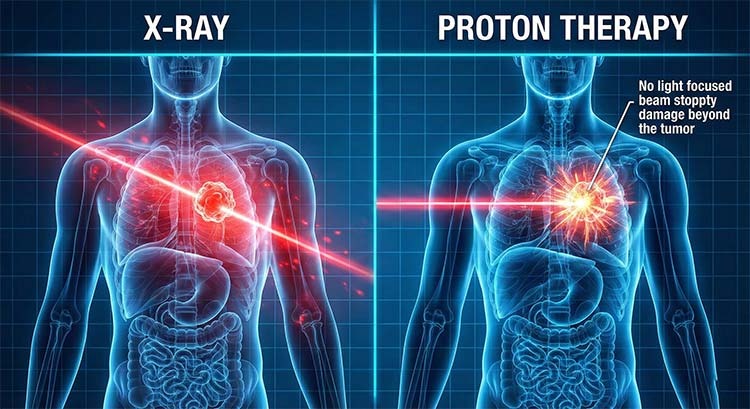
Proton and Heavy ion therapy
Minimally Invasive Interventional techniques are advanced medical procedures that treat deep-seated conditions via pinhole incisions or natural orifices, relying on advanced imaging for navigation. They offer faster recoveries, less pain, and fewer complications than open surgeries.
Here are the most prominent categories of minimally invasive techniques:
1. Interventional Radiology (IR)
Using real-time imaging (fluoroscopy, CT, MRI, ultrasound) to guide tiny catheters or wires through blood vessels or directly into organs.
Common Procedures: Angioplasty and stenting (opening blocked arteries), embolization (blocking blood flow to tumors or aneurysms), and targeted cancer therapies (e.g., chemoembolization).
2. Endoscopy and Laparoscopy
The use of narrow, lighted tubes equipped with cameras (endoscopes or laparoscopes) inserted through small half-inch incisions or natural body openings.
Common Procedures: Laparoscopic appendectomies, gallbladder removals, and gastrointestinal endoscopies.
3. Robotic-Assisted Surgery
Surgeons control miniaturized, robotic surgical arms using a 3D high-definition console, providing unprecedented dexterity and precision in confined anatomical spaces.
Common Systems: The da Vinci Surgical System, often used in urological, gynecological, and complex cardiac procedures.
4. Minimally Invasive Pain Interventions
Targeted techniques used to alleviate chronic or acute pain directly at the source, preventing the need for more invasive spinal surgeries.
Common Procedures: Epidural steroid injections, radiofrequency ablation (burning problematic nerve pathways), and spinal cord stimulation.
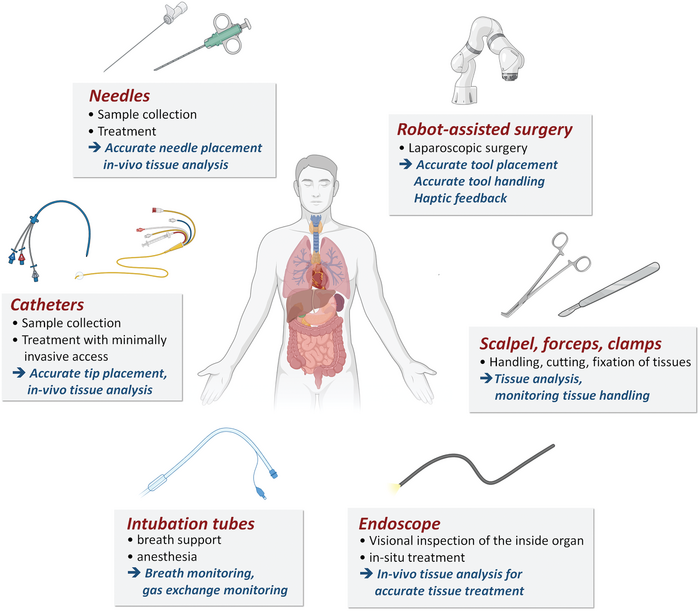
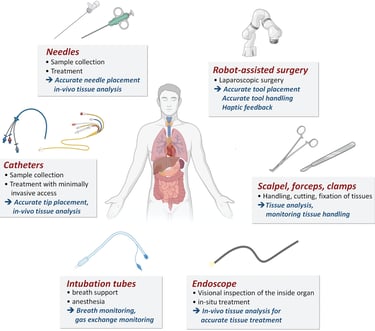
Minimally Invasive Interventional techniques
Copyright © 2026 RUI'AN HealthJoy Beijing. All Rights Reserved.
[ Privacy Policy ] [ Terms of Use ] [ Accessibility Statement ] [ Refund Policy ]
Disclaimer: RUI'AN HEALTHJOY is an intermediary service acts as an international medical concierge and logistics coordinator. We do not provide direct medical advice, diagnosis, or treatment. All medical decisions and treatments are conducted independently by licensed physicians at our partner hospitals in China.
北京瑞安康悦咨询有限公司
Beijing Rui'an HealthJoy Consulting Co., Ltd.
Global Health, China Care
Business license No. 91110111MAK79BER9N
Address: Courtyard No. 19, Building No. 2,
First floor, No. 1222. Yuehua South Street,
Fang Shan District, Beijing, China.